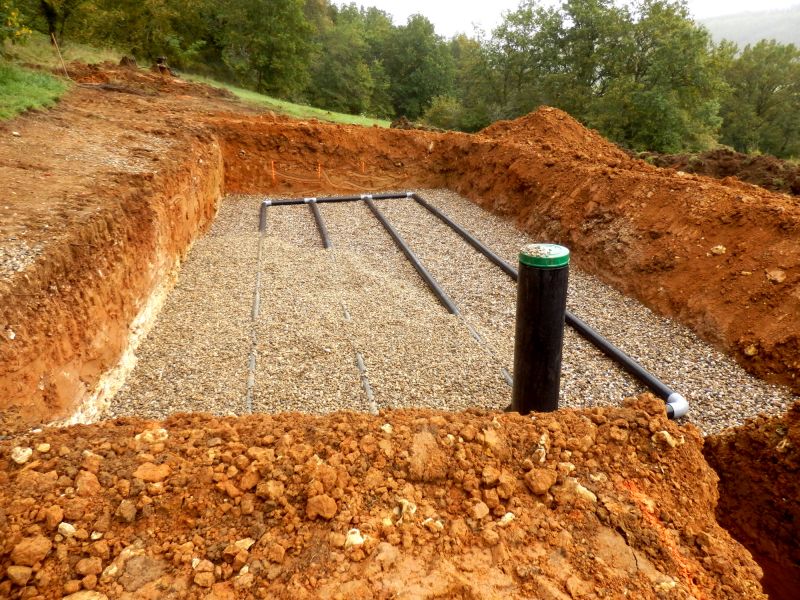
Sewage Field Installation in Denver, CO
Sewage field installation services involve setting up a system to safely manage and dispose of wastewater from a property. This service is essential for new construction projects, property upgrades, or replacing aging systems. Property owners typically request sewage field installation when developing a new home, adding a septic system to a rural property, or upgrading an existing system that no longer functions properly. Understanding the size and layout of the property, as well as local regulations and soil conditions, is important before requesting installation to ensure the system is designed and placed correctly.
The process includes selecting the appropriate type of sewage field, designing a layout that fits the property’s terrain, and installing the necessary piping and drain fields. Homeowners usually want to know about the system’s capacity, maintenance requirements, and compliance with local codes before proceeding. Proper installation ensures effective wastewater management and helps prevent future issues such as backups or environmental hazards, making it a critical step for property development or renovation projects.
Many property owners in Denver, CO look into Sewage Field Installation for repairs, replacements, upgrades, and appearance-related improvements.
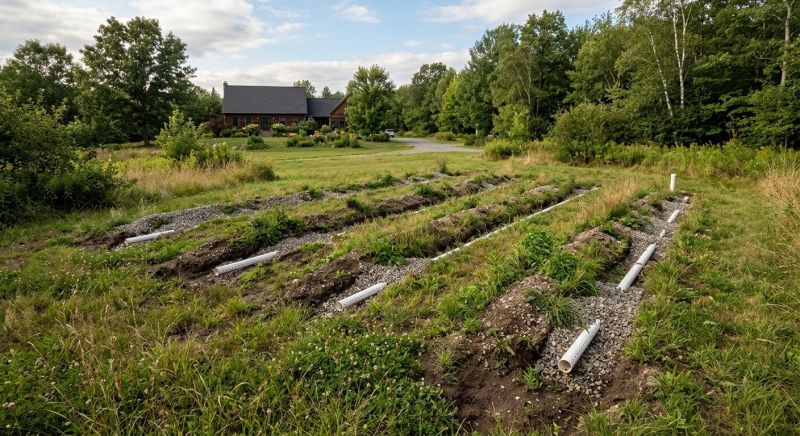
Proper Sewage Field Design
Ensuring the sewage field is correctly planned to meet property needs and local codes.
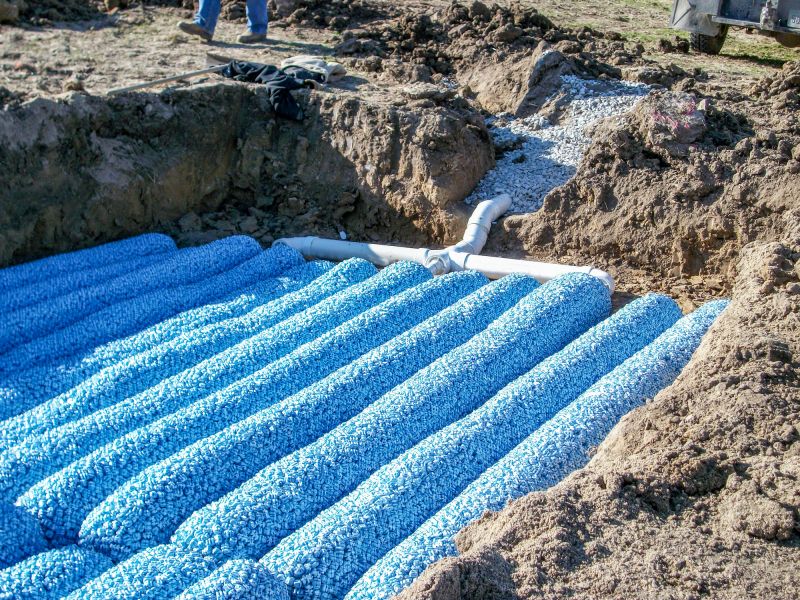
Installation And Connection
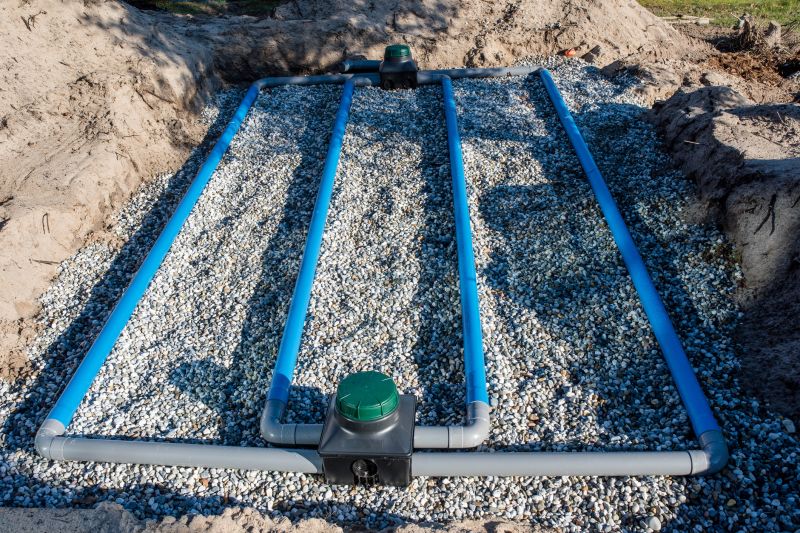
Setting up the sewage drain field to provide reliable wastewater management for homes and businesses.
Maintenance And Inspection
Regular checks to keep the sewage system functioning efficiently and prevent issues.
Sewage Field Installation in Denver, CO

Sewage field installation services involve setting up a system to safely manage and dispose of wastewater from a property. This service is essential for new construction projects, property upgrades, or replacing aging systems. Property owners typically request sewage field installation when developing a new home, adding a septic system to a rural property, or upgrading an existing system that no longer functions properly. Understanding the size and layout of the property, as well as local regulations and soil conditions, is important before requesting installation to ensure the system is designed and placed correctly.
The process includes selecting the appropriate type of sewage field, designing a layout that fits the property’s terrain, and installing the necessary piping and drain fields. Homeowners usually want to know about the system’s capacity, maintenance requirements, and compliance with local codes before proceeding. Proper installation ensures effective wastewater management and helps prevent future issues such as backups or environmental hazards, making it a critical step for property development or renovation projects.
Many property owners in Denver, CO look into Sewage Field Installation for repairs, replacements, upgrades, and appearance-related improvements.
Common Sewage Field Installation Jobs
Sewage Field Installation - installation of new sewage drain fields for residential properties.
Sewage Field Replacement - replacing outdated or failing drain fields to ensure proper waste management.
Sewage Field Repairs - repairing damaged or clogged sewage drain fields to restore function.
Sewage Field Design - designing efficient sewage systems tailored to property size and layout.
Sewage Field Maintenance - inspecting and maintaining drain fields to prevent future issues.
Sewage Field Expansion - enlarging existing sewage systems to accommodate property development.
Sewage Field Installation Questions
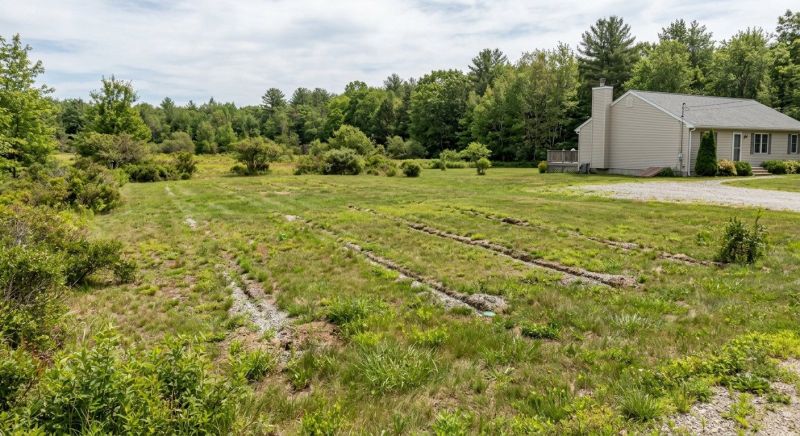
What is sewage field installation? It involves setting up a system to safely treat and dispose of wastewater from a property, typically for homes or businesses without access to municipal sewer lines.
When is sewage field installation needed? This service is necessary when installing a new septic system or replacing an existing one, especially for properties in rural or undeveloped areas.
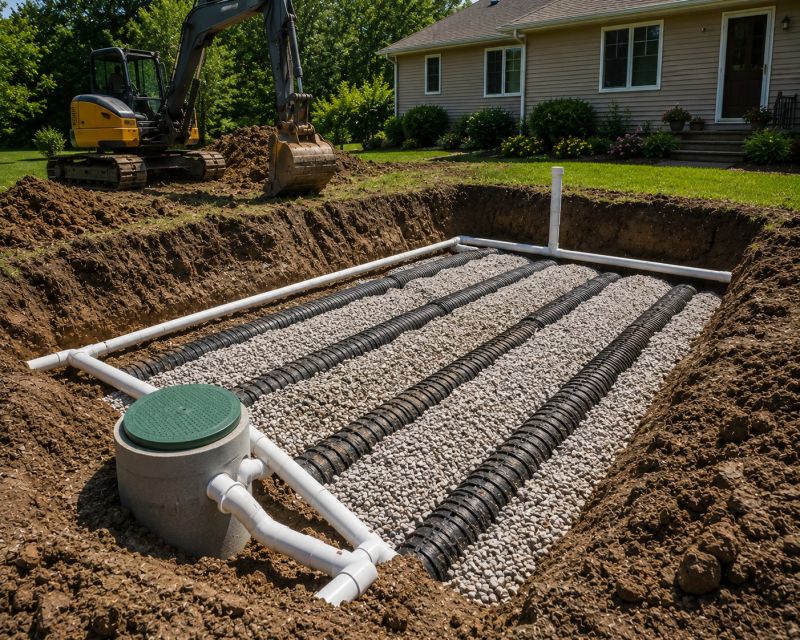
What types of sewage fields are available? Common options include conventional trench systems, mound systems, and alternative designs tailored to site conditions and soil types.
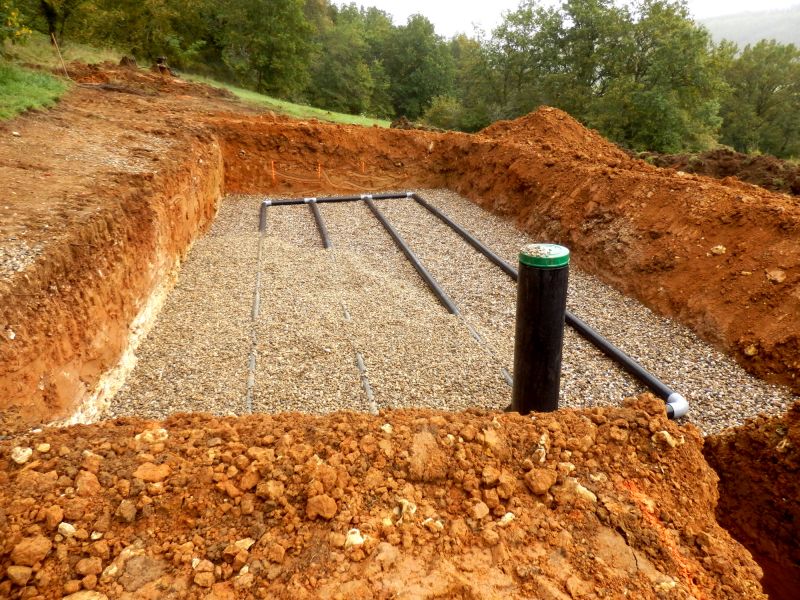
What should property owners consider before installation? Site evaluation, soil testing, and proper planning are important to ensure the system functions effectively and complies with local regulations.
Request Sewage Field Installation in Denver, CO
Use the quote form on this page to share the basics of your project and request more information for the type of work you need.